The Neon Ledger: Planning a Trans-Friendly Night Out Without Money Regrets in 2026
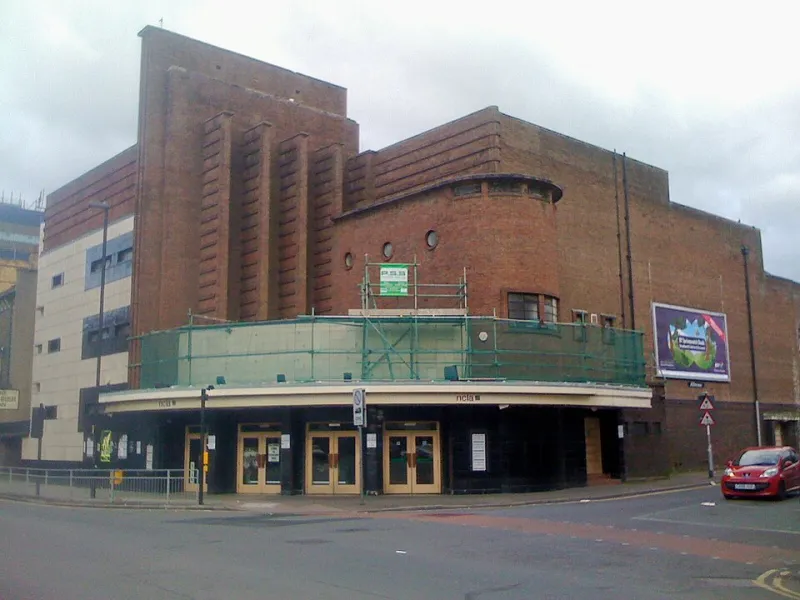
Photo: Pwimageglow (talk), CC0, via Wikimedia Commons
A trans-friendly night out in the U.S. can be many things: a drag show and late noodles, a companion date at a quiet cocktail bar, a hotel meetup with clear boundaries. What it shouldn't be is a surprise bill that ruins the afterglow. In 2026, the money conversation is part of the consent conversation. You're not just budgeting for a good time; you're budgeting for respect, safety, and the ability to leave if the night turns. Here's the ledger we'd use before committing to a plan.
Start with the total, not the hourly rate
A companion's rate is one line on the receipt, not the whole receipt. The real cost of a night includes the booking deposit, the time you're requesting, the venue's minimum spend, transportation, food, tips, and a buffer for the unexpected. Add those up before you decide whether the evening fits your budget. If the total makes you wince, downshift the plan—not the respect.
1. The booking deposit
Deposits are normal for travel dates, outcall appointments, and new-client screening. They're also where hidden costs like to hide. Ask what the deposit covers, whether it's applied to the total, and what happens if you cancel or reschedule. Get the terms in writing. A reasonable deposit should feel like a business practice, not a pressure tactic.
2. The companion's time
This is the core of the budget, and it should be transparent. Know the length of the appointment, the location type, and any travel fee before you commit. Don't treat the rate as an opening bid. Ethical spending means paying for the time and labor you're requesting, not trying to negotiate a companion down like a discount code.
3. Venue minimums and the two-drink trap
Bars and clubs in U.S. cities often have minimum spends, bottle requirements, or cover charges for reserved seating. A $20 cover can become a $120 table minimum before you've ordered anything. Read the fine print, call ahead if you're unsure, and build the minimum into your total. If a venue's minimum feels unreasonable, pick a different venue—not a different level of respect for your date.
4. Transportation, including the ride home
Rideshare surge pricing near stadiums, bar close, and convention weekends can double your fare. Parking garages add another line. Build in a realistic transport number and keep a separate ride-home fund. The ride home isn't optional; it's part of the safety plan. If you're meeting at a hotel, factor in the incidental hold on your card, too.
5. Food, water, and the late-night tax
A good night out involves pacing. Budget for a real meal, not just bar snacks, and don't forget water and coffee. Late-night delivery and diner food cost more than you think, especially after midnight. This isn't about being frugal; it's about not being the person who gets hangry and weird at 1 a.m.
6. Tipping and generosity
Tip service workers—bartenders, servers, drivers—like you'd want to be tipped. For companions, tipping isn't a substitute for the agreed rate; it's a gesture of appreciation for good service, not a demand for extras. If you can't afford to tip well, you can't afford the night at that level. Generosity should feel clean, not like a down payment on pressure.
7. The safety buffer
Add 15 to 20 percent to your total as a buffer. It covers the unexpected: a surge fare, a coat check, a rescheduled booking, a hotel hold. It also gives you the financial room to walk away if something feels off. A safety buffer is not a shame fund; it's adult planning.
Hidden costs to name before you go
Watch for ATM fees, parking validation that doesn't validate, hotel incidental holds, and cancellation fees that appear only after you've paid. Check whether a deposit is refundable and whether a venue's minimum includes tax and gratuity. If a companion asks for a deposit through gift cards or crypto only, pause and ask why. Traceable payments are easier to document and harder to abuse.
A sample ledger for a mid-range night
Imagine a companion date in a mid-sized U.S. city: a $50 booking deposit, a $300 time block, a $60 venue minimum, $35 in rideshare fares, $40 for food, $40 in tips, and a $75 safety buffer. That's a $600 night. You can trim the venue minimum or choose a cheaper neighborhood, but the respect line items—rate, tip, buffer—shouldn't be the first things you cut. If the total doesn't work, change the plan, not the ethics.
The ethical spend is the sane spend
A night that feels generous and consensual is usually a night where the money was discussed clearly. You know what you're paying for. Your date knows what they're being paid for. Nobody is trying to squeeze a discount out of intimacy, and nobody is expected to perform gratitude for basic courtesy. That's the ledger worth keeping.