Tap, Pause, Verify: Deposit Etiquette for Trans Companion Bookings
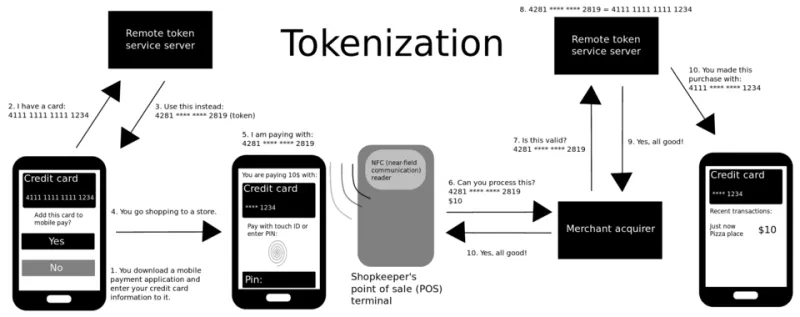
Photo: Keministi, CC0, via Wikimedia Commons
Deposits have a bad reputation, and honestly, some of them earn it. But in the world of trans companion bookings, a deposit is not automatically a scam signal. It can be a practical way for a provider to hold a time slot, cover travel, or filter out no-shows. The trick is learning to tell the difference between a normal business practice and a request that makes your stomach tighten. That difference usually comes down to clarity, consistency, and how much information you are being asked to hand over before you have even said hello in person.
Why a deposit exists — and why it is not automatically shady
A provider's time is the product. If someone blocks out an evening, books a hotel, or turns down another inquiry, a deposit protects that commitment. In many U.S. markets, a small deposit — often a portion of the total, not the whole fee — is standard for first-time bookings. What matters is whether the policy is stated up front and whether it is applied consistently. A listing that explains the amount, the cancellation window, and what happens if either party needs to reschedule is showing you its operating system. A listing that springs a payment request after a long flirtatious chat and refuses to put terms in writing is showing you something else.
The app layer: what is normal in the U.S.
Cash App, Venmo, Apple Cash, PayPal, and Zelle all show up in U.S. companion bookings, and each has its own personality. Venmo transactions can be social by default, so privacy settings matter. Zelle transfers are generally fast and hard to reverse. Cash App handles are easy to share but easy to fake. PayPal has its own rules about adult-related transactions, and mislabeling a payment to get around them is a bad idea for everyone involved. The real norm is not a specific app; it is transparency. A legitimate provider will tell you which handle to use, confirm the amount, and give you a receipt-friendly paper trail. If the payment instructions change three times, or if you are pushed toward gift cards, crypto, or a random friend's account, stop.
Five red flags that should stop your thumb
First, urgency. 'Pay in the next ten minutes or the slot goes to someone else' is a sales tactic, not a courtesy. Second, a sudden switch to an untraceable method. Gift cards and crypto are popular with scammers for a reason. Third, a payment name that does not match the listing and an explanation that amounts to 'don't worry about it.' Fourth, a surprise 'verification fee' after the deposit is already sent. Fifth, requests for sensitive information before the meetup: a photo of your ID, your workplace, your home address, or a selfie holding your identification. A provider may reasonably ask for a name and a sense of whether you are real, but the escalation should feel proportionate. If it does not, you are allowed to walk away.
Verify the policy before you pay
Read the listing twice. Look for deposit terms, cancellation rules, and whether the provider offers a video call or a public meetup first. Ask neutral questions in the same channel where you found the listing: 'Can you confirm the deposit amount and what it covers?' and 'What is your reschedule policy?' Get the answer in writing. Do not move the conversation to a disappearing-message app just because someone asks. Discretion is reasonable; secrecy about basic terms is not. If the provider cannot explain their own policy, that is information.
Discreet receipts without paranoia
You do not need a filing cabinet, but you do need a clean trail. Use a neutral memo if the app allows one. Screenshot the confirmation, the listing handle, the date, and the agreed amount. Redact anything you do not need to keep. Store those images in a private folder or a separate email account, not in a shared camera roll. Avoid sending payment screenshots back and forth with strangers unless there is a specific reason. And keep the explicit details out of the payment memo; 'consultation' or 'booking' is plenty. The goal is not to build a dossier. It is to have enough information to resolve a mix-up without exposing yourself.
If something feels off
Trust the pause. A deposit is a business exchange, not a loyalty test. If the request is vague, the handle is mismatched, or the person on the other end gets defensive when you ask a basic question, you can end the conversation. You do not owe anyone a payment to prove you are serious. Report the listing if the platform has a mechanism for it, and do not chase a sunk cost by sending more money to 'unlock' a booking. The best deposit is the one you understood before you tapped send.
The bottom line
Deposits can be a normal, even respectful, part of booking a trans companion. The green flags are boring: clear terms, consistent handles, proportionate requests, and a provider who answers questions without drama. The red flags are loud: pressure, secrecy, mismatched names, and payment methods designed to be irreversible. Keep your receipts discreet, keep your questions direct, and remember that a booking should feel like a plan — not a gamble.